
What Is a Unified WhatsApp Inbox?
Term 15 Nov 2026 WhatsAppUnified InboxSales ManagementCRMCustomer Communication
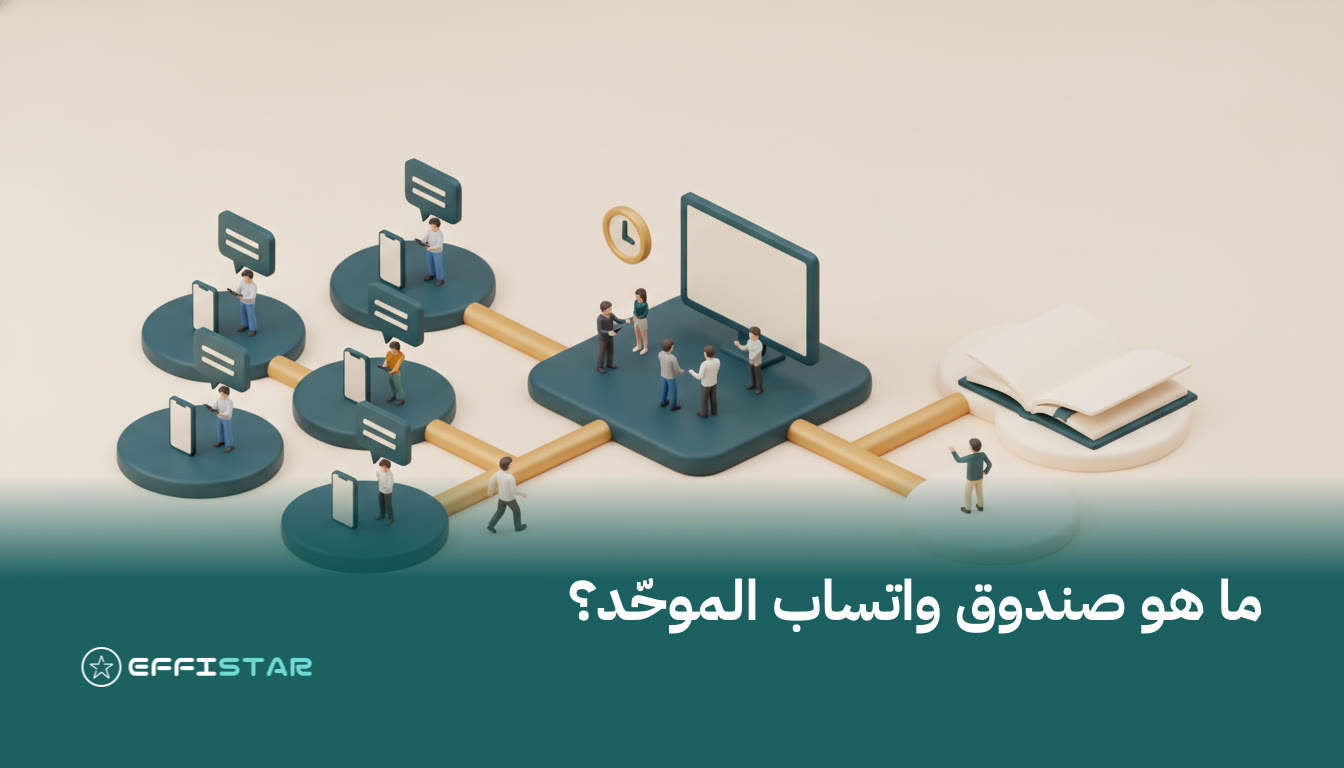
A unified WhatsApp inbox is a single screen that receives incoming WhatsApp conversations from your company number — or several numbers — and lets multiple reps work on them at the same time. Every conversation is automatically linked to the customer's record in your sales system, so it becomes part of their history with the company instead of sitting on someone's personal phone.
Why It Matters
In most Saudi businesses, WhatsApp is where selling actually happens — but it's scattered across reps' devices. Three problems come up again and again:
- Conversations leave with the rep: when someone resigns, the customer's entire history walks out the door with them.
- Nobody knows who replied and who didn't: a message arrives at 10 a.m., and two days later you discover no one ever opened it.
- Chats are disconnected from deals: the quote lives in the system, the price objection lives in WhatsApp, and the manager never sees both together.
How to Put It in Practice
- Connect the company number — not reps' personal numbers — to the inbox inside your system.
- Set assignment rules: existing customers route to their account owner; new inquiries are assigned round-robin or by branch.
- Define a target response time — say 15 minutes during business hours — and make it visible inside the inbox.
- Enable customer record linking so every conversation is filed under the right customer with no manual data entry.
- Review weekly: how many conversations went unanswered, and the average time to first reply.
The simplest metric to track: the share of conversations that received a first reply within the target window = (conversations answered within the window ÷ total incoming conversations) × 100.
A Hypothetical Example
Imagine a contracting company with four sales reps, each handling customer requests on their own phone. After consolidating the channel into a single number inside Effistar, the manager could see every open conversation and its owner on one screen — and discovered that Thursday evening inquiries weren't being read until Sunday. The shift schedule was adjusted based on that data, not on a hunch.